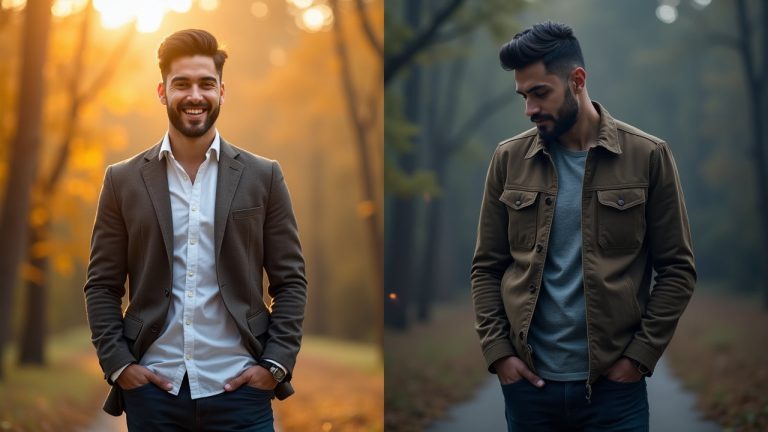
Mastering Photographic Lighting: From Perception to Personal Style
By Peter Alkema
Light affects the form, color and atmosphere of a photograph.
$79.00 Buy this course
- Format
- Course
- Lessons
- 101
- License
- PLR

What's in the PLR package
- Understanding Photography Lighting_ Light Behavior_7eacd778-9528-47be-9968-460dc664f725.zip 3.1 GB
- Sales copy (Word document) Description 16 KB
Download links unlock in your account right after purchase.
Curriculum
- Video lesson: The Nature of Light as Perceived by the Human EyeFree preview3m
- Lesson: Historical relevance of light in photographic practice and visual culture
- Lesson: Physical principles behind visible light and its sources in photography
- Lesson: The relationship between vision, perception, and expressive lighting
- Lesson: Introduction to observing and interpreting lighting in visual arts
- Lesson: Understanding expressed direction: side, frontal, and backlighting explained
- Lesson: Communicating dimension and shape using light�s orientation in imagery
- Lesson: Case studies: Directional light shaping form and visual interest
Show 93 more
- Lesson: Exploring how photographers use directionality to emphasize theme
- Lesson: Comparing subject impressions: Directional vs. omnidirectional lighting explored
- Lesson: Defining intensity: How brightness and softness affect image meaning
- Lesson: Role of shadows and highlights in communicating contrast and drama
- Lesson: Emotional resonance of low vs. high-intensity lighting scenarios
- Lesson: Complex lighting situations in fine art and editorial photography
- Lesson: Real-world photographic comparisons: Subtle and bold light intensity choices
- Lesson: Distinguishing direct from diffused light in creative compositions
- Lesson: Soft light�s effect on texture, detail, and atmosphere in portraits
- Lesson: The clarity and sharp shadows of hard light in expressive contexts
- Lesson: Evaluating diffusion�s role in mood, storytelling, and subject comfort
- Lesson: Case study: Editorial work utilizing varying levels of diffusion for tone
- Lesson: The science of reflected light in realistic and stylized environments
- Lesson: How surface color and texture affect bounced light in visual output
- Lesson: Reflective surfaces in still-life, product, and architectural photography
- Lesson: Using reflected light to illuminate shadow areas in composition design
- Lesson: Analysis of classic photographs employing reflection as a mood enhancer
- Lesson: Unpacking color temperature: Cool, neutral, and warm lighting compared
- Lesson: Emotional undertones created by shifts in light coloration and hue
- Lesson: Balancing realistic and stylized color temperature for narrative effect
- Lesson: Relating white balance choices to visual style and atmosphere
- Lesson: Comparing photojournalistic vs. cinematic uses of color temperature
- Lesson: Examining shadow severity: Storytelling with crisp and gradual edges
- Lesson: How positive and negative space is shaped by shadow behavior
- Lesson: Psychological implications of shadow placement in photography
- Lesson: Exploring drama, tension, and comfort through shadow type selection
- Lesson: Case analysis: Photo series using dramatic versus gentle shadowing
- Lesson: The role of high and low tonal contrast in directing viewer engagement
- Lesson: Separating subject and background with creative tonal management
- Lesson: Desaturated, high-key, and low-key lighting as narrative devices
- Lesson: Photographic interpretation: Tonal contrast and theme unity
- Lesson: Case reflection: Editorial sequences employing unique tonal structures
- Lesson: Atmosphere as a visual filter for light behavior and image depth
- Lesson: Photographing with natural fog and artificial haze for mood alteration
- Lesson: Understanding the diffusion of light by particulates in real environments
- Lesson: Atmosphere�s contribution to mystery, nostalgia, and ambiguity
- Lesson: Famous photographic projects illustrating atmospheric intervention
- Lesson: Purposeful use of backlighting to separate subjects and highlight contour
- Lesson: Silhouettes and rim lighting for dramatic outline and emphasis
- Lesson: Psychological impact and symbolism in shadowed forms
- Lesson: Real-world case studies: Advertising and portraiture with rim lighting
- Lesson: Comparing expressive intent: Full silhouette versus revealed detail backlight
- Lesson: Identifying types of emotional tone: joy, melancholy, suspense, tranquility
- Lesson: Light�s role in reinforcing intended mood through artistic decision-making
- Lesson: Examining the symbolism of light in historic and contemporary imagery
- Lesson: Case analysis: Fine art projects using mood lighting as a visual signature
- Lesson: Techniques in translating written narrative emotion into visual lighting
- Lesson: The character of morning, midday, golden hour, and twilight natural light
- Lesson: Weather conditions and their influence on outdoor image atmosphere
- Lesson: Photographing under overcast, clear, and stormy conditions
- Lesson: Real-life documentation: Nature and travel stories using environmental lighting
- Lesson: Exploring the expressive authenticity of available light photography
- Lesson: Types of artificial lighting: Electric, neon, candle, and mixed-source origins
- Lesson: Crafting ambience: How artificial lighting choices evoke place and era
- Lesson: Hospitality, retail, and performance settings as lighting case studies
- Lesson: Comparing cinematic lighting to real-world interior photography
- Lesson: Interplay of artificial and natural light in contemporary visual aesthetics
- Lesson: Treating light as a primary subject rather than mere illumination
- Lesson: Photographic abstraction: Lines, shapes, and forms made of pure light
- Lesson: Historical avant-garde movements and their visual lighting explorations
- Lesson: Modern conceptual photographers using light as artistic material
- Lesson: The evolving language of light inscriptions in visual narratives
- Lesson: How architectural design and materials affect transmission of light
- Lesson: Portraits in environmental context: Lighting for storytelling in real locations
- Lesson: Documenting social and cultural contexts through light�s interaction with setting
- Lesson: Case reflection: Iconic images shaped by their environmental lighting context
- Lesson: Analyzing how lighting choices accentuate spatial depth and materiality
- Lesson: Merging lighting with color palettes to define artistic identity and style
- Lesson: Interplay of saturated and de-saturated color with light for different effects
- Lesson: Fashion, editorial, and advertising examples: Branding with light and color
- Lesson: Using gels, colored reflectors, and native environments for color-rich lighting
- Lesson: Studying cohesive visual language in photographers� work via lighting strategy
- Lesson: Symbolic uses of illumination, shadow, and color in visual storytelling
- Lesson: Metaphorical lighting in conceptual visual and arts photography
- Lesson: Influence of literary, cinematic, and theatrical techniques on photographic mood
- Lesson: Case studies: Narrative driven light in staged and documentary visuals
- Lesson: Exploring stylistic traditions: Film noir, chiaroscuro, surrealism, and beyond
- Lesson: Cultural context as the backbone of visual lighting conventions and choices
- Lesson: Influence of painting, theater, and cinema in historical lighting approaches
- Lesson: Analysis of era-defining photo projects and their signature lighting
- Lesson: Comparing photographic lighting in global and local visual traditions
- Lesson: Studying contemporary cross-cultural trends in mood and atmosphere lighting
- Lesson: Blending genres: Experimental fusion of natural and artificial lighting
- Lesson: Breaking conventions: Conceptual and interdisciplinary lighting design
- Lesson: Visual examples from contemporary photographers� personal projects
- Lesson: Lighting for immersive storytelling in galleries and installations
- Lesson: The role of collaborative and collective practices in lighting innovation
- Lesson: Mapping stylistic influences and inspirations through lighting preferences
- Lesson: Synthesizing technical knowledge and artistic intuition in lighting design
- Lesson: Strategies for consistent mood and atmosphere across personal projects
- Lesson: Building a professional portfolio defined by lighting signature
- Video lesson: Reflecting on artistic journey: Evolving narrative through the language of light2m
- Lesson: Resources
About this course
Light affects the form, color and atmosphere of a photograph. This course examines photographic lighting through its physical properties and the creative decisions involved in forming an image.
Perception and visible-light principles provide the foundation. Direction, intensity, diffusion and reflection then introduce different ways to consider the light reaching a subject.
Read the light and the shadow together
Color temperature and white balance are discussed alongside shadow edges, contrast and tonal range. These subjects connect the character of the light with the appearance of the resulting photograph.
Backlighting, silhouettes and atmosphere extend the creative perspective. Natural, artificial and mixed-source lighting provide different contexts for examining composition and visual storytelling.
The material is relevant to photographers and learners reviewing how they observe and use light. It brings technical vocabulary together with the choices that shape an image.
Adapt for photographic lighting education
A PLR license lets you modify, rebrand and resell the course. You could tailor it for an introduction to lighting or use selected topics within a wider photography curriculum. Your own image examples can help an audience compare lighting conditions and their visual effects.
License rights
| Right | PLR |
|---|---|
| Selling the course | |
| Product may be sold separately | YES |
| Product may be bundled with other products | YES |
| Product can be a bonus for another product | YES |
| Can be sold as a physical product | YES |
| Can be sold as a digital product | YES |
| Passing on rights | |
| Can offer Resale Rights | NO |
| Can offer Master Resale Rights | NO |
| Can offer Private Label Rights | NO |
Show all 23 rights Show fewer rights
| Right | PLR |
|---|---|
| Memberships, bonuses and lists | |
| Can be added to paid membership sites | YES |
| Can add bonuses to the Product for sale | YES |
| Can be used to build a list | YES |
| Rebranding and editing | |
| You may put your own name on the sales letter | YES |
| You may rename the product | YES |
| You may edit the sales material | YES |
| You may edit the content of the product | YES |
| You may use the source code/material to create new products | YES |
| You may use the name(s) of the author/creator/seller of the Product | YES |
| Can translate the course into other languages | YES |
| Not allowed with any license | |
| Can be used for YouTube or other free video sites | NO |
| Can be added to free membership sites | NO |
| Can be given away for free | NO |
| Can be used or sold on Uthena | NO |
| Can be used or sold on Soofos, Udemy, Skillshare or other course marketplaces you don't own | NO |
Questions
What do I receive with a PLR or MRR license?
Downloadable package available; online curriculum listed. Check the file list and curriculum below for contents. PLR and MRR include a license key. Sales copy, editable formats and extras depend on the supplied package; check the listed contents.
What does lifetime access mean?
You can follow the course online for as long as it is available on Uthena. Downloadable files are guaranteed for 12 months from your purchase, so download them and keep your own copy.
Can I cancel my order?
Yes, within 7 days of your purchase: request a refund from your Uthena account. After 7 days an order can no longer be cancelled.
What if I want to speak to someone?
Email info@uthena.com, or support@uthena.com about an order, or use the contact form. We reply within two business days.
Related courses
-
Educational Courses -
Business Courses Mastering Structured Video Production: Concepts, Teams & Workflows
Peter Alkema $79.00 PLR -
Photography Courses Mastering Portrait Posing: Visual Storytelling, Emotion & Meaning
Peter Alkema $79.00 PLR -
Photography Courses Mastering Photographic Composition: Visual Storytelling, Balance, and Emotional Impact
Peter Alkema $79.00 PLR